Introduction
Mobility is a cornerstone of independence, especially for individuals who are blind or visually impaired. For those with additional physical disabilities requiring the use of a wheelchair, choosing between a manual or electric wheelchair involves unique considerations. This group has specific needs that go beyond physical support—mobility solutions must also accommodate vision-related challenges like spatial awareness and navigation.
Fortunately, modern technology continues to evolve, offering smart solutions that help blind users navigate their surroundings more confidently and safely. Whether it’s a simple manual chair or a feature-rich electric model, the right wheelchair can significantly enhance a user's quality of life. But which type of wheelchair is more suitable or preferred by blind individuals?
Challenges Faced by Blind Users
Blind or visually impaired individuals face a unique set of challenges when using a wheelchair. Here are some of the most common obstacles:
1. Spatial Awareness
One of the biggest hurdles is the lack of visual cues. Navigating indoor and outdoor spaces requires the ability to perceive surroundings. For sighted individuals, visual feedback helps with direction, speed, and obstacle avoidance. Blind users must rely on touch, sound, memory, or assistive technologies to gather this information.
2. Navigation and Environmental Perception
Using a wheelchair adds a layer of complexity to navigation. For example:
Indoor navigation can be difficult without knowing room layouts or encountering unexpected furniture placements.
Outdoor movement involves dealing with curbs, uneven terrain, pedestrians, and traffic.
Blind users must learn to detect and interpret acoustic cues, such as the sound of vehicles or footsteps, to maintain orientation.
Without sufficient support tools, both manual and electric wheelchair users may feel restricted in their movement, limiting independence.
Pros and Cons for Manual vs Electric Wheelchairs
Manual Wheelchairs
Pros:
Offer tactile feedback, allowing users to sense terrain changes or contact with obstacles.
No reliance on batteries or electrical components.
Lightweight and easy to transport.
Lower cost compared to electric models.
Cons:
Require upper body strength and endurance.
May not be suitable for long-distance travel or inclined paths.
Challenging to operate for users with additional physical limitations.
Difficult to manage while trying to maintain orientation using other tools like a cane.
Electric Wheelchairs
Pros:
Offer power-assisted mobility, ideal for long distances or uneven terrain.
Easier to operate with joystick controls, especially for users with limited arm movement.
Increasingly integrated with assistive technology, enhancing independence for blind users.
Cons:
Heavier and more difficult to transport.
Require charging and battery maintenance.
More expensive.
Navigation without visual input can be dangerous without assistive support.
While manual wheelchairs provide greater control through tactile input, electric wheelchairs open the door to greater freedom—especially when paired with smart technologies.
Assistive Technologies in Electric Wheelchairs
For blind users, the integration of assistive technology in electric wheelchairs can make a significant difference. These innovations help overcome many of the challenges mentioned earlier.
1. GPS Navigation
Some modern electric wheelchairs come with GPS-based navigation systems, allowing users to follow set routes with voice guidance. This feature is invaluable for outdoor travel and can help blind users avoid getting lost.
2. Voice Control and Smart Assistants
Integration with voice assistants like Amazon Alexa or Google Assistant enables hands-free operation. Users can issue commands to change speed, turn, or stop—making operation more intuitive for those who cannot see control panels or displays.
3. Obstacle Detection and Avoidance Systems
Advanced electric wheelchairs may include:
Ultrasonic sensors to detect nearby obstacles.
Automatic braking systems to prevent collisions.
Auditory alerts to notify users of environmental hazards.
These features improve safety and provide confidence while navigating.
4. Integration with Smart Canes and Guide Dogs
Some electric wheelchair models can be paired with smart canes or guided in tandem with service animals. A smart cane with Bluetooth can signal turns or hazards to the wheelchair, while guide dogs can lead the way, allowing the wheelchair to follow. Together, these technologies empower blind users to travel more safely and independently.
Personal Preference and Customization
The choice between a manual and electric wheelchair isn’t just about the features—it’s also deeply personal. Here's how individual needs and preferences influence the decision:
1. Training and Familiarity
For many blind users, familiarity with a manual wheelchair may lead them to continue using it. Manual wheelchairs offer direct tactile feedback, and those trained to navigate with one may feel more confident using something they already understand. However, with proper training, transitioning to an electric wheelchair—especially one equipped with voice control or obstacle detection—can be life-changing. Many users who make the switch find that it opens new possibilities for mobility and independence.
2. Lifestyle Needs
A person’s daily routine significantly impacts the right choice. For example, if someone lives in a compact apartment and doesn’t need to travel long distances, a lightweight manual wheelchair might be the most practical and economical option. On the other hand, individuals who work, go to school, or frequently travel outdoors will benefit more from an electric wheelchair that reduces physical strain and offers better performance over long distances or uneven terrain.
3. Physical Abilities
Upper body strength and overall physical health also play a role. Blind users who have good arm strength and no other major physical impairments may find manual wheelchairs sufficient. However, those with additional disabilities—such as joint problems, muscular disorders, or fatigue—may struggle with manual propulsion. In such cases, an electric wheelchair becomes not only convenient but necessary, offering powered mobility with minimal effort.
4. Level of Independence Desired
Electric wheelchairs equipped with assistive technology allow users to navigate with minimal help. For blind individuals, this could mean operating a wheelchair through voice commands, responding to alerts from obstacle sensors, or using GPS guidance. These features reduce dependence on caregivers and enhance privacy and autonomy. For people who value self-reliance, this can be a major advantage.
5. Customization Options
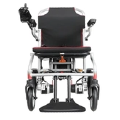
Electric wheelchairs often come with a wide range of adjustable features—such as seat height, joystick sensitivity, speed settings, and integration with external assistive devices like smart canes or phones. These features can be tailored to meet the unique physical, spatial, and sensory needs of blind users. In contrast, manual wheelchairs are typically less customizable and more difficult to pair with smart technologies.
Ultimately, both manual and electric wheelchairs offer value depending on the user’s needs and environment. While manual models may appeal to those who prioritize simplicity and tactile control, electric wheelchairs stand out for their convenience, adaptability, and increasing ability to support blind users through technology. The decision should be guided by the individual’s lifestyle, health condition, independence goals, and access to advanced assistive tools.
Conclusion
So, do blind people prefer electric wheelchairs or manual? The answer isn’t one-size-fits-all. While manual wheelchairs offer tactile feedback and simplicity, electric wheelchairs are gaining popularity due to their ease of use, smart features, and ability to reduce physical strain.
The key factor often lies in the assistive technologies available. GPS navigation, obstacle detection, and voice control make electric wheelchairs increasingly attractive to blind users. However, personal comfort, lifestyle needs, and physical abilities will ultimately guide the decision.
As these technologies become more advanced and accessible, it’s likely that more visually impaired individuals will opt for electric wheelchairs that support safe, independent mobility. With proper training, customization, and support tools, the right wheelchair—manual or electric—can make all the difference in enabling a fulfilling and mobile life.
For those exploring electric wheelchair options equipped with advanced features for blind users, companies like Guangzhou Topmedi Co., Ltd. offer a range of reliable, customizable solutions. Contact their team or visit their website to learn more about how they can meet your specific needs.