Stepping into the world of adaptive sports is exhilarating. Whether you're drawn to the fast-paced action of wheelchair basketball, the strategic precision of tennis, or the pure speed of racing, your first sports wheelchair is the most important piece of equipment you'll ever invest in.
Unlike a standard daily-use chair, a sports wheelchair is a high-performance tool designed to become an extension of your body. Choosing the right one can feel overwhelming, but by focusing on a few key areas, you can find the perfect partner for your athletic journey.
1. Match the Chair to Your Sport
The first and most crucial question is: What sport do you want to play? Sports wheelchairs are highly specialized, and using the right type for your activity is non-negotiable for both performance and safety.
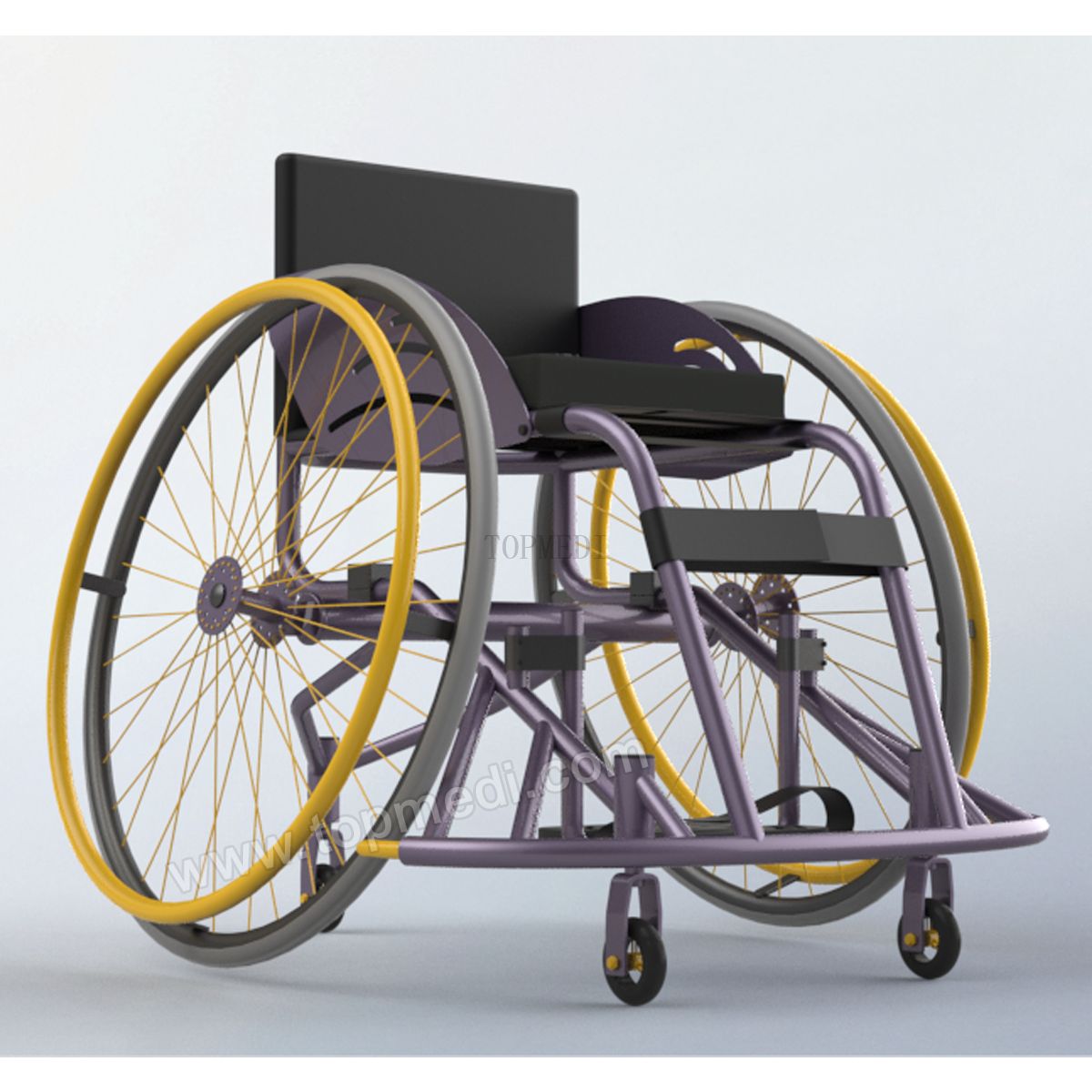
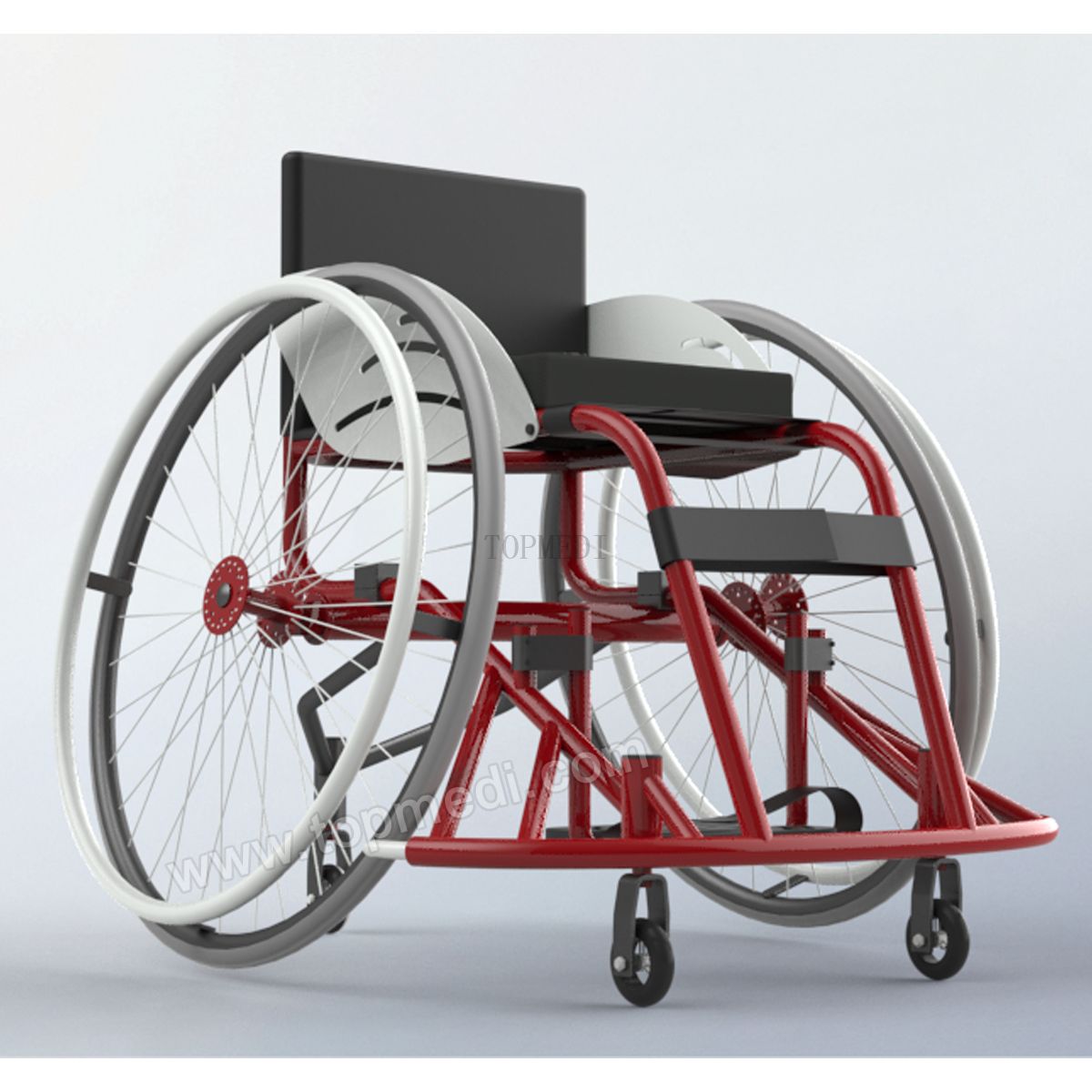
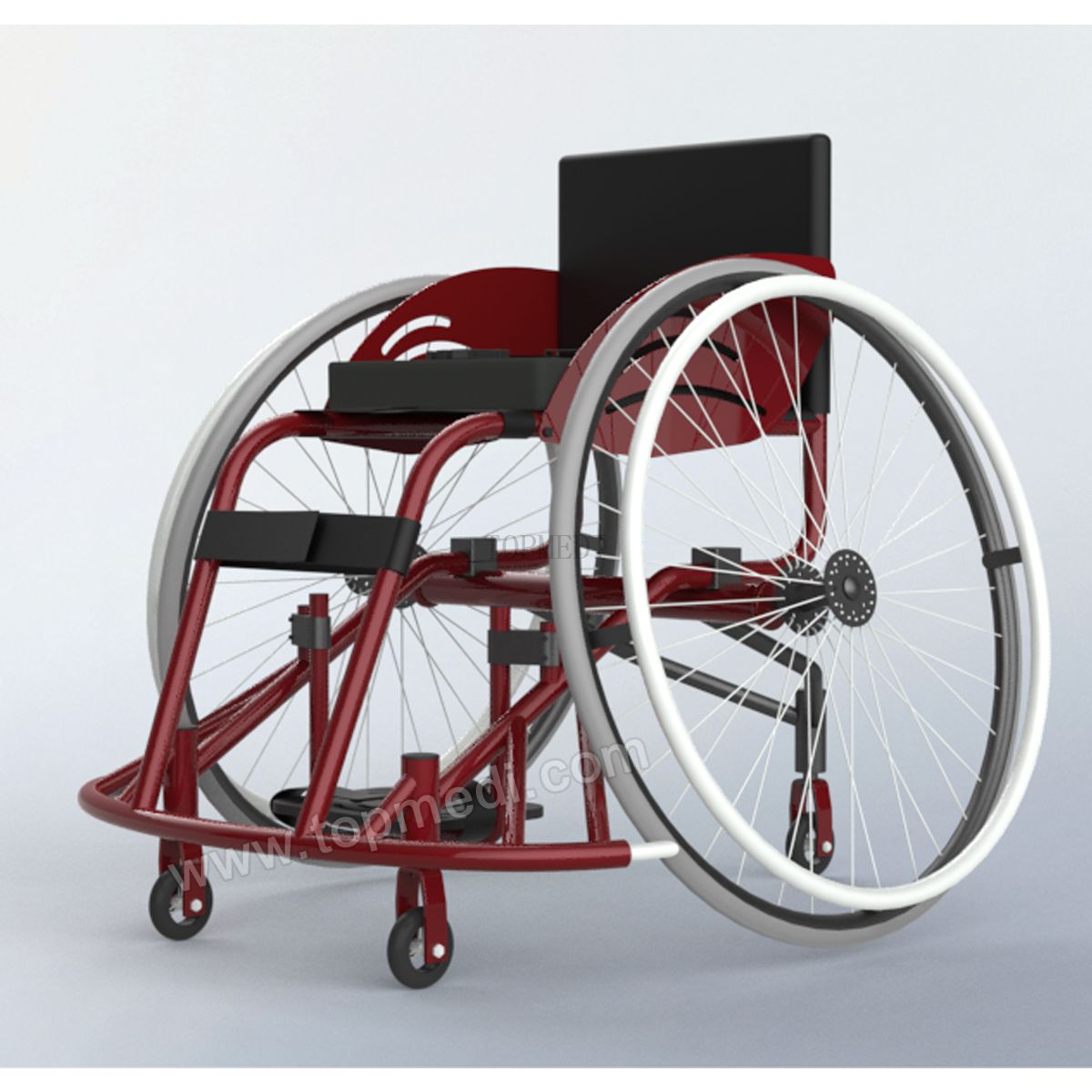
For Court Sports (Basketball, Rugby): Look for a chair with a sturdy, often reinforced frame to withstand contact. A key feature is a significant camber (the angle of the wheels). This makes the chair incredibly stable during sharp, high-speed turns and protects your hands. A front anti-tip bar or castor is also standard to prevent forward falls during quick stops.
For Court Sports (Tennis): Agility is everything in tennis. You'll want a chair with a very short wheelbase and high maneuverability to allow for quick pivots and explosive movements to the ball. The setup often features a more open frame design.
For Racing: These chairs are built for one thing: speed. They are typically three-wheeled, extremely lightweight, and have an aerodynamic, streamlined shape to minimize drag.
If you're not sure which sport you'll settle on, consider a versatile "multi-purpose" or entry-level sports chair. These models often offer more adjustments, allowing you to experiment with different settings as you find your passion.
2. The Frame: Aluminum vs. Titanium vs. Carbon Fiber
The frame material dictates the chair's weight, feel, and durability.
Aluminum: This is the most common material for beginners and intermediate users. It offers an excellent balance of strength, durability, and affordability. It's a great choice for training and getting a feel for the sport.
Titanium: A step up, titanium frames are prized for their ability to absorb vibration and road shock, providing a smoother, more comfortable ride. They are incredibly strong, durable, and lighter than aluminum, but come at a higher price point, making them popular among competitive athletes.
Carbon Fiber: The pinnacle of lightweight technology. Carbon fiber frames offer the best stiffness-to-weight ratio, meaning they are incredibly light and rigid for maximum power transfer with every push. Studies have shown that carbon fiber racing frames can provide a significant performance advantage, sometimes over 4% faster than aluminum. However, this high performance comes with a premium cost and may be more fragile in contact sports.
3. Getting the Right Fit: Measurements Matter
A sports wheelchair must be custom-fitted to your body. A poor fit will hinder your performance and can lead to injury.
Seat Width: Measure your hips and add about 2-3 cm. Too narrow and it will be uncomfortable; too wide and you'll slide around, losing stability and efficient power transfer.
Seat Depth: You should have about 5-10 cm of space between the front edge of the seat and the back of your knee. This prevents pressure on the nerves and blood vessels in your legs.
Seat Height & Footrests: Your feet should rest comfortably on the footplates, with your knees bent at an approximate 90-degree angle.
4. The Magic of Camber
You'll notice that sports wheelchair wheels aren't vertical; they're angled inward at the top. This is called camber, and it's not just a stylistic choice.
Stability: It widens the wheelbase at the bottom, making the chair much more stable and resistant to tipping over during tight, fast turns.
Maneuverability: It brings the top of the wheels closer to your body, allowing for a more natural, ergonomic pushing motion.
The Sweet Spot: Research on wheelchair athletes has found that a camber of 18° offers the best compromise for both linear sprinting and agility-based maneuvers, making it an excellent starting point for new athletes.
5. Try Before You Buy
Whenever possible, test out a chair. Attend a sports event or visit a dealer who specializes in sports wheelchairs. Bring your sportswear and, if possible, a ball or racket. Get a feel for the chair's weight, how it responds to your pushes, and how comfortable it is.
Ask yourself: Is it easy to accelerate? Does it turn when I want it to? Is the seating comfortable for long periods?
Investing in your first sports wheelchair is investing in your potential as an athlete. It's the tool that will unlock speed, agility, and confidence on the court or track.
Do you have questions about finding the right sports wheelchair?
At Topmedi, we understand that every athlete's journey is unique. We offer a wide range of high-quality manual and sports wheelchairs designed to meet diverse needs, from entry-level models to competition-ready designs. Our team is dedicated to helping you find the perfect fit to elevate your game.
Whether you need advice on customization, frame materials, or specific sport configurations, we're here to support you. Contact Topmedi today for more information on our products and how we can help you get in the game.