For millions of people worldwide, a walking aid is far more than a simple tool—it is a gateway to freedom. Whether recovering from surgery, managing a chronic condition, or navigating the natural process of aging, the right mobility device can mean the difference between confinement and an active, independent life. However, with so many options available, selecting the correct walking aid can feel overwhelming. This guide focuses on the functional aspects of walking aids—helping you understand your needs, the types of devices available, and how to match features to your lifestyle. Finally, we will introduce how Topmedi, a trusted name in medical rehabilitation, provides solutions that meet these needs with quality and care.
Step 1: Assessing Your Functional Needs
Before exploring specific products, it is essential to evaluate the user’s physical condition and daily requirements. While a healthcare professional can provide a formal assessment, asking yourself these key questions will help clarify your needs:
Level of Support: Do you need minimal assistance for balance, or must you take significant weight off one leg?
Balance and Stability: Is your balance generally steady, or do you experience unsteadiness or wobbling?
Upper Body Strength: Can you lift a device, or do you need one that remains in contact with the ground?
Usage Environment: Will the aid be used primarily indoors on smooth floors, or outdoors on uneven surfaces?
Endurance: Can you walk continuously, or do you need a seat to rest periodically?
Answering these questions will guide you toward the most appropriate category of walking aid.
Step 2: Understanding the Main Types of Walking Aids
Walking aids exist on a spectrum of support, from minimal assistance to maximum stability. Here is a functional breakdown of the most common types:
Standard Pick-Up Walkers
These are the most stable type of walker, featuring four legs with rubber tips and no wheels. Functionally, they are designed for maximum weight-bearing support. The user must lift the walker and place it down with each step. This model is ideal for patients who need to bear very little weight through their legs but possess sufficient upper body strength to lift the device. However, it can be tiring and may encourage a slightly stooped posture.
Two-Wheeled Walkers
An evolution of the standard walker, this type has wheels on the two front legs and glides on the back two. This design is functionally superior for those who need weight support but lack the strength or endurance to lift a walker constantly. The user can keep the walker on the ground and push it forward, promoting a more natural, upright gait.
Rollators (Four-Wheeled Walkers)
Rollators are the most versatile and popular mobility aids for long-term use. They feature four wheels, a built-in seat, and hand-operated brakes. Functionally, they provide continuous balance and support but offer less weight-bearing capacity than standard walkers. The wheels make movement effortless, and the seat allows the user to rest when fatigued. They are ideal for people with balance issues, low endurance, or those who wish to remain active outdoors. The brakes are crucial for controlling speed on slopes.
Three-Wheeled Rollators
These are lighter and more maneuverable than four-wheeled models, making them excellent for navigating tight spaces indoors. However, they are slightly less stable than their four-wheeled counterparts and are generally not recommended for users with significant balance problems.
Specialized Options
Knee Walkers: For lower leg injuries such as fractures or surgeries, these allow the user to rest the injured knee on a platform while propelling with the other foot, keeping weight completely off the injury.
Bariatric Walkers: Designed with wider frames and higher weight capacities to ensure safety and durability for larger individuals.
Step 3: The Critical Importance of Height Adjustment
Regardless of the type you choose, an incorrectly adjusted walking aid is a safety hazard. The height must be tailored to the user’s body.
The 15-Degree Rule:
Wear your regular walking shoes.
Stand upright with your shoulders relaxed and arms hanging naturally at your sides.
Have someone measure the distance from the floor to the crease of your wrist.
Set the handgrips of the walking aid to this height. When you place your hands on the grips, your elbow should bend at a comfortable angle of about 15 to 30 degrees.
Why it matters: Grips that are too high force your shoulders up, causing strain. Grips that are too low make you hunch over, throwing off your center of gravity and increasing fall risk.
Step 4: Matching Features to Your Lifestyle
Modern walking aids come with features that solve specific problems. When choosing, consider these functional add-ons:
Brakes: Essential for rollators. Look for brakes that are easy to squeeze. Many models feature a "lock" function that turns the brakes into a parking brake, keeping the walker steady while you sit.
Seats and Storage: If you tire easily or enjoy shopping, a rollator with a padded seat and a storage bag or basket underneath is functionally invaluable.
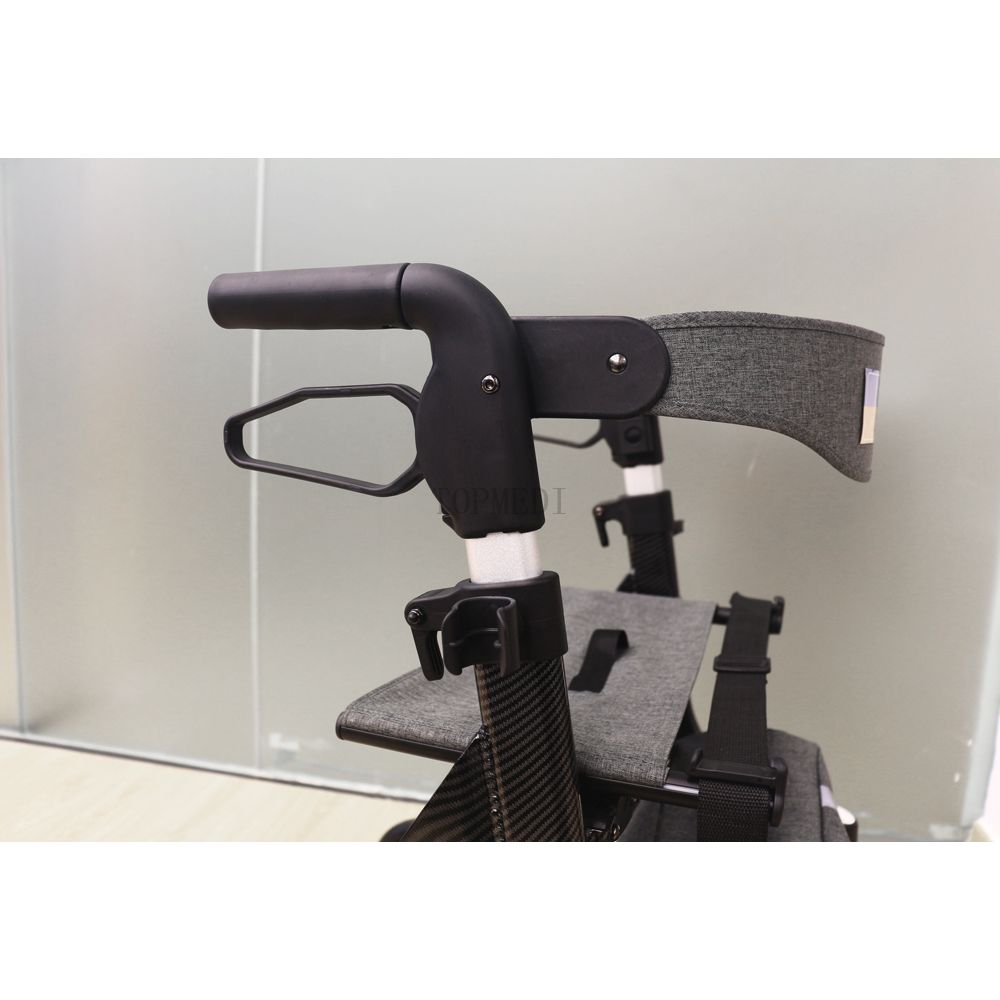
Handgrips: Standard plastic grips can be hard on arthritic hands. Ergonomic, foam, or gel grips can reduce pressure and improve comfort for long-term users.
Folding Mechanism: For those who travel or have limited storage space, a folding frame is a must-have feature.
Step 5: Safety and Maintenance
Choosing the right aid is only the first step. Using it correctly ensures safety. Always remember the "step-through" technique: move the aid a small distance, then step into it with your weaker leg, followed by your strong leg.
Regular maintenance is also key. Check the rubber ferrules on walkers for wear and tear, and ensure that all bolts and wheels are tightened and functioning smoothly.
Topmedi: Engineering Mobility for Life At Topmedi, we understand that choosing the right walking aid is a deeply personal decision that impacts every aspect of daily life. With over a decade of experience in the medical rehabilitation industry, Guangzhou Topmedi Co., Ltd. has established itself as a leading manufacturer dedicated to providing high-quality, reliable, and innovative mobility solutions.
Our philosophy is simple: to bridge the gap between functional necessity and practical design. We believe that a walking aid should not only support the body but also empower the spirit. This commitment to quality is why our products are trusted in over 100 countries and have passed rigorous international certifications, including CE, ISO, and SGS standards.
Our Range of Walking Aids
Topmedi offers a comprehensive range of walking aids designed to meet the diverse functional needs identified in this guide. Whether you require the robust support of a standard walker or the active lifestyle freedom of a rollator, we have a solution.
The Topmedi Rollator TWA9638: A Case Study in Functional Design
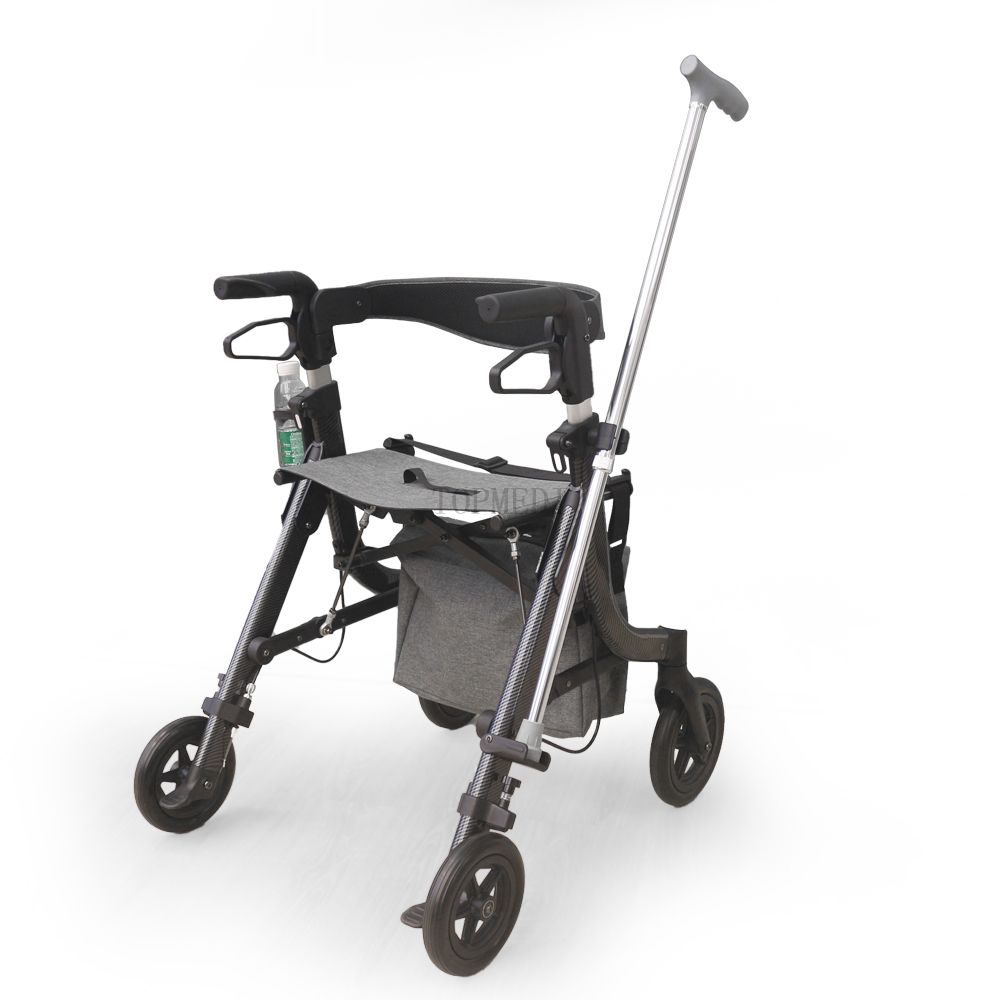
Exemplifying our commitment to quality is the Topmedi TWA9638 Rollator. Designed for the user who needs support during long walks, this model incorporates the key functional elements discussed above:
Stability and Comfort: It features a durable yet lightweight aluminum alloy frame, supporting users up to 136 kg. The cushioned seat and backrest provide a safe and comfortable place to rest whenever needed.
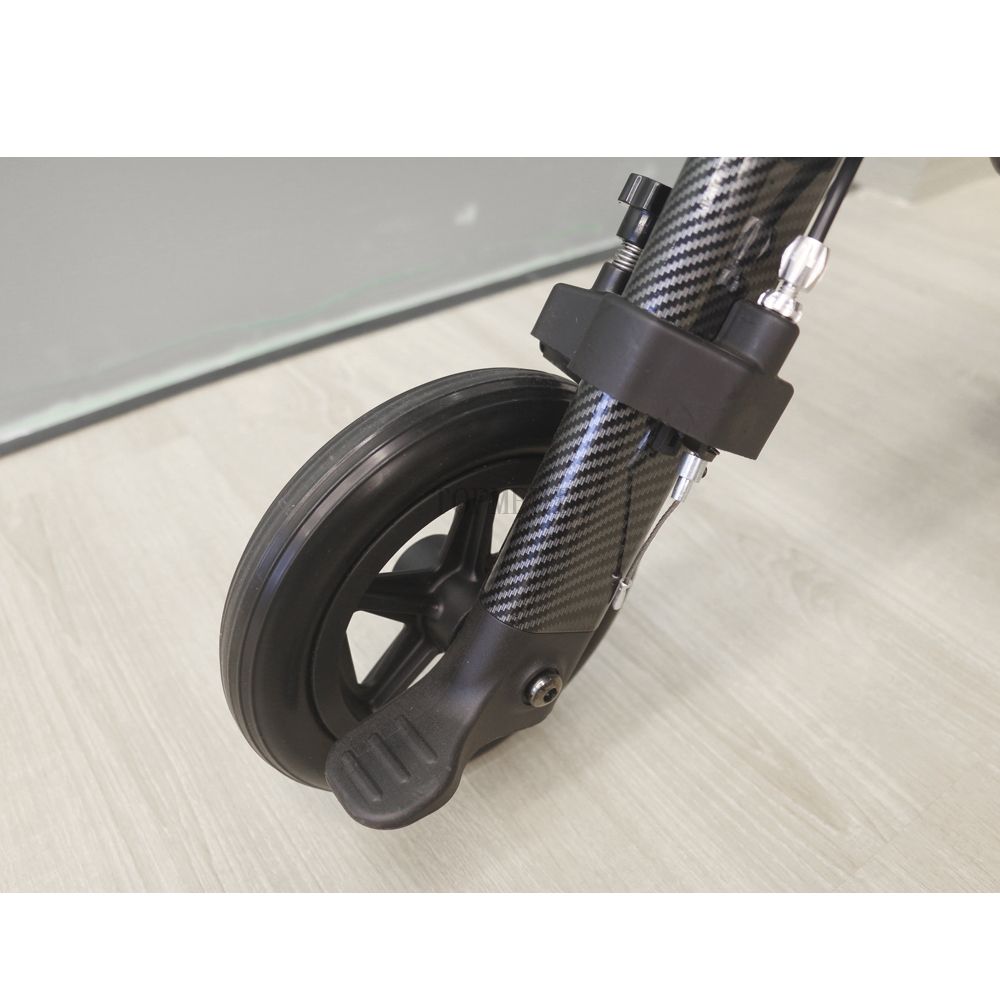
User-Friendly Controls: The ergonomic handgrips are integrated with a reliable braking system. The brakes can be locked into place, acting as a parking brake to keep the rollator steady while the user sits down or stands up.
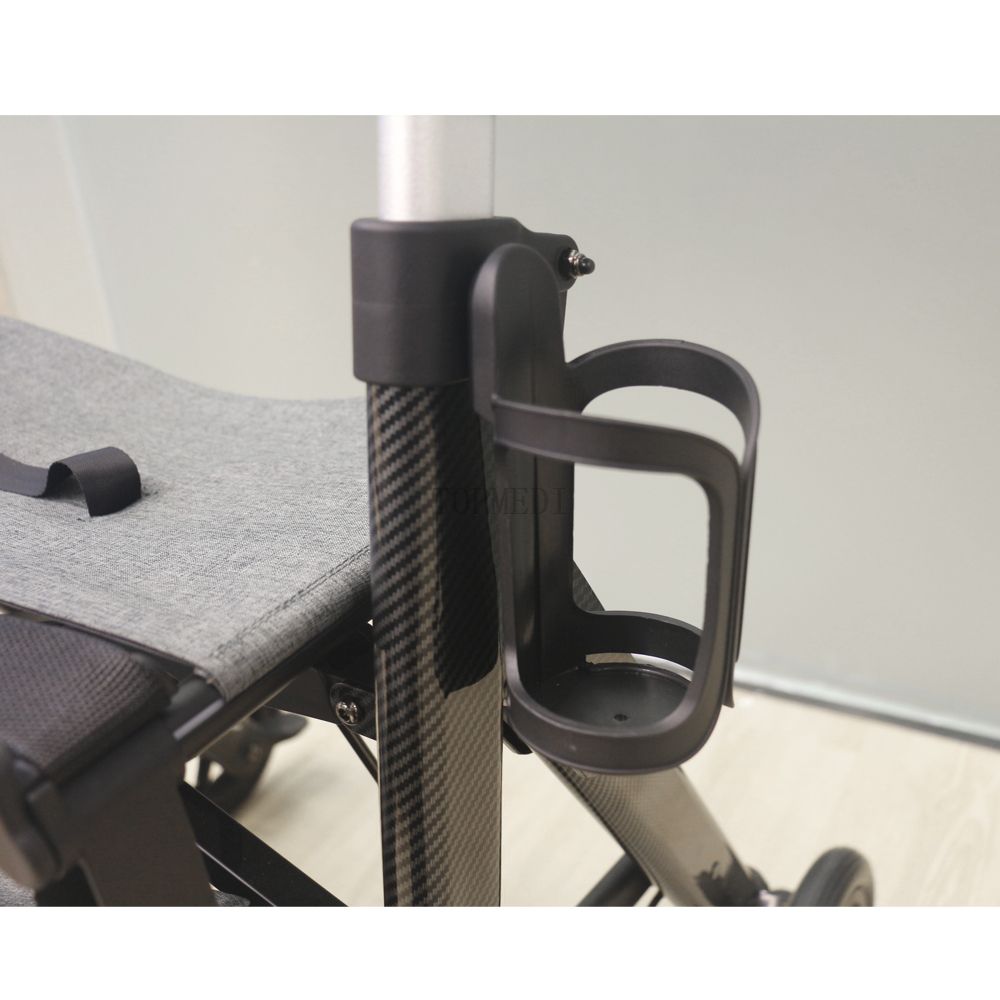
Practicality for Daily Life: The inclusion of a practical storage bag allows users to carry personal items, shopping, or a water bottle, promoting independence during errands or social outings.
Built for Real Life: With large wheels designed for smooth mobility on flat, solid ground, the TWA9638 is equally at home in a shopping mall or on a paved park path. Its foldable design makes it easy to transport in a car or store in a compact space.
We invite you to experience the difference that professional-grade mobility equipment can make. Whether you are recovering from an injury, managing a long-term condition, or simply supporting a loved one, Topmedi is here to help you take the next step with confidence.