Introduction
Electric wheelchairs offer enhanced mobility and independence for users. However, their electronic components can be vulnerable to moisture, making rainy conditions a concern. Understanding how to protect your wheelchair and yourself during wet weather is essential.
Risks of Using an Electric Wheelchair in the Rain
Water Damage to Electrical Components
An Electric Wheelchair is equipped with sensitive electrical and electronic components, such as motors, batteries, wiring systems, and control units. These parts are essential for proper functionality and mobility. Exposure to rainwater can cause short circuits, corrosion of metal parts, and long-term damage to the internal mechanisms. Even a brief encounter with light rain or moisture can lead to the infiltration of water into unsealed areas. Once inside, water can degrade connectors, cause batteries to fail, or lead to malfunctions in the control system. Additionally, many electric wheelchairs are not fully waterproof but only water-resistant to a certain degree. This means that continuous or heavy exposure to water significantly increases the risk of irreparable damage and may void warranties. It’s crucial to use rain covers or protective casings and avoid using the wheelchair in wet weather whenever possible.
Slippery Surfaces and Traction Loss
Operating an Electric Wheelchair in the rain often means navigating over wet and slippery surfaces. Surfaces like tiled pavements, wooden ramps, metal plates, or smooth concrete become more hazardous when wet. The rubber tires on electric wheelchairs may lose grip, leading to reduced traction and increased chances of slipping or skidding. This is especially dangerous when the wheelchair is moving on inclines, declines, or across uneven or gravel terrain. In such conditions, the risk of losing control increases, which can lead to tipping, accidents, or injury. Moreover, emergency stops or sharp turns become harder to manage safely. Some advanced models come with traction control features, but even these systems may not fully prevent slippage in extreme wet conditions. Therefore, extra caution and slower speeds are advised when moving across wet areas.
Visibility Issues and Control Problems
Rain affects visibility for everyone, but for Electric Wheelchair users, the consequences can be particularly significant. Raindrops on eyeglasses, face shields, or the user’s eyes can impair sightlines, making it more difficult to judge distances, identify obstacles, or see traffic signals and pedestrians. In addition, rain can obscure control panels, screens, or LED indicators on the wheelchair. Users may also experience difficulty gripping or manipulating joystick controls, buttons, or touchpads when their hands are wet or cold. Moisture on the control surface can cause inputs to be misread or delayed, resulting in unexpected movements or reduced responsiveness. Some users with limited hand mobility may find these issues even more challenging. To mitigate these risks, it’s advisable to wear waterproof gloves, use protective covers for controls, and avoid operating the wheelchair in heavy rain unless absolutely necessary.
Using an Electric Wheelchair in rainy weather involves several serious risks, including water damage, safety hazards due to traction loss, and control difficulties. Whenever possible, users should take precautions such as using waterproof covers, waiting for better weather conditions, or seeking alternative transportation methods to ensure safety and preserve their mobility equipment.
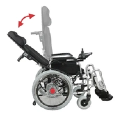
Water-Resistance in Electric Wheelchairs
Waterproof vs. Water-Resistant
Most electric wheelchairs are not fully waterproof but may offer some degree of water resistance. This means they can handle light moisture but are not designed for heavy rain or submersion.
Ingress Protection (IP) Ratings
The IP rating indicates the level of protection against solids and liquids. For example, an IPX4 rating means the device is protected against water splashes from any direction. Higher ratings, like IPX5 or IPX6, offer better protection but are still not waterproof. Always check your wheelchair's IP rating to understand its limitations.
Manufacturer Guidelines
Manufacturers provide specific guidelines regarding water exposure. It's crucial to consult the user manual to understand the recommended usage conditions and maintenance procedures to prevent water damage.
Safety Tips for Rainy Conditions When Using an Electric Wheelchair
Using an Electric Wheelchair in the rain requires extra attention and preparation to ensure safety and maintain the longevity of the device. Wet conditions introduce a range of hazards that can impact both the user and the equipment. Below are essential safety tips to help you navigate rainy weather more effectively.
Use Waterproof Covers
Protecting your Electric Wheelchair from moisture is the first line of defense against water damage.
Joystick and Control Panel Covers: The joystick and control interface are highly sensitive and often the most vulnerable to water damage. Use waterproof covers designed specifically for these components to prevent rainwater from seeping in and causing malfunctions. Silicone or plastic shields with tight seals work best.
Seat and Backrest Covers: Wet seating surfaces can lead to discomfort, skin irritation, and even health issues with prolonged exposure. Use water-resistant seat and backrest covers made from breathable yet waterproof materials to ensure user comfort.
Full Wheelchair Covers: For comprehensive protection, especially during storage or transportation in rainy weather, invest in a full waterproof cover for your Electric Wheelchair. These covers help keep all components dry, extending the lifespan of the equipment and minimizing maintenance needs.
Avoid Hazardous Areas
Navigating around potentially dangerous terrain is critical during wet weather.
Puddles and Flooded Paths: Avoid driving through puddles or waterlogged areas. Standing water can conceal potholes or debris and may allow water to enter the motor or battery compartment, causing electrical issues or physical damage.
Steep Ramps and Slopes: Rain makes inclined surfaces significantly more dangerous due to reduced traction. Wet ramps or slopes can cause the wheelchair to skid or become difficult to control. If possible, reroute to avoid these areas or wait until conditions improve.
Reduce Speed and Increase Caution
Operating your Electric Wheelchair at a slower speed helps maintain better control.
Wet surfaces can be unpredictable, especially on metal, tile, or smooth concrete. Reducing your speed helps you react more effectively to unexpected obstacles or slippery areas. In addition, be extra vigilant about your surroundings—visibility may be reduced due to rain, making pedestrians, curbs, or hazards harder to spot. Keep a safe distance from others, as your stopping distance may increase on wet terrain.
Drying Procedures After Use
Proper post-use care is essential to prevent long-term damage.
Immediate Drying: After returning indoors, use a dry, absorbent cloth to thoroughly wipe down all exposed surfaces of your Electric Wheelchair, especially control interfaces, the seat, and battery casing.
Air Drying: Let the wheelchair sit in a warm, dry environment for several hours to allow any hidden moisture to evaporate. Avoid using direct heat sources like hair dryers, which may damage components.
Inspection: Regularly inspect your Electric Wheelchair for signs of corrosion, rust, or water damage. Pay close attention to the battery terminals, motor casing, and control systems. Address any issues promptly to maintain safe and reliable operation.
By following these safety tips, Electric Wheelchair users can better protect themselves and their equipment when facing rainy conditions.
Alternative Solutions and Accessories
Rain Canopies and Ponchos
Invest in rain canopies or ponchos designed for wheelchair users to provide personal and equipment protection during unexpected showers.
Wheel Protectors
Use wheel covers or guards to prevent mud and water from splashing onto the wheelchair's frame and components.
Route Planning
Plan your routes to include covered areas or shelters where you can take refuge during sudden rain. Utilize indoor pathways or accessible public transportation when possible.
Conclusion
While it is possible to use an electric wheelchair in light rain with proper precautions, it’s best to avoid heavy rain to prevent potential damage and safety risks. Understanding your wheelchair’s level of water resistance, using rain covers, and following expert safety guidelines are essential to maintaining functionality and user safety in wet conditions. For more detailed advice and reliable mobility solutions, we recommend contacting Guangzhou Topmedi Co., Ltd. As a trusted manufacturer of electric wheelchairs and mobility aids, Topmedi offers quality products and professional support tailored to your needs. Visit their website at www.topmediwheelchair.com or reach out directly to learn more.