Mobility is a cornerstone of independence, and wheelchairs—whether manual or electric—play a vital role in restoring freedom to individuals with limited mobility. As technology advances, the debate between manual and electric wheelchairs has grown more nuanced: each type offers distinct advantages tailored to different lifestyles, physical abilities, and environments. This guide explores the key differences, pros, and cons of manual and electric wheelchairs to help you make an informed decision.
What Is a Manual Wheelchair?
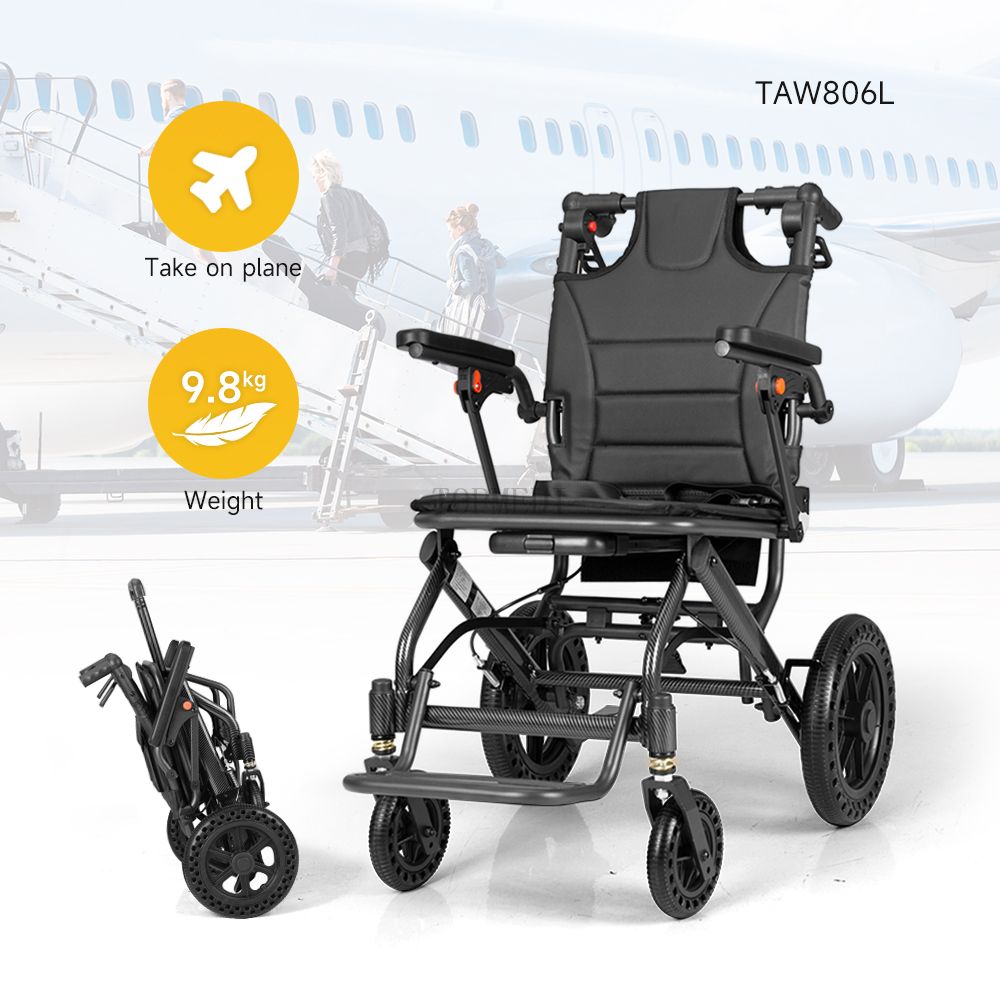
A manual wheelchair is a human-powered mobility device propelled by the user (via hand rims on the wheels) or a caregiver (by pushing the chair). It typically consists of a lightweight frame, wheels, footrests, and a seat, with minimal mechanical components. Manual wheelchairs are the traditional choice, valued for their simplicity and reliability.
What Is an Electric Wheelchair?
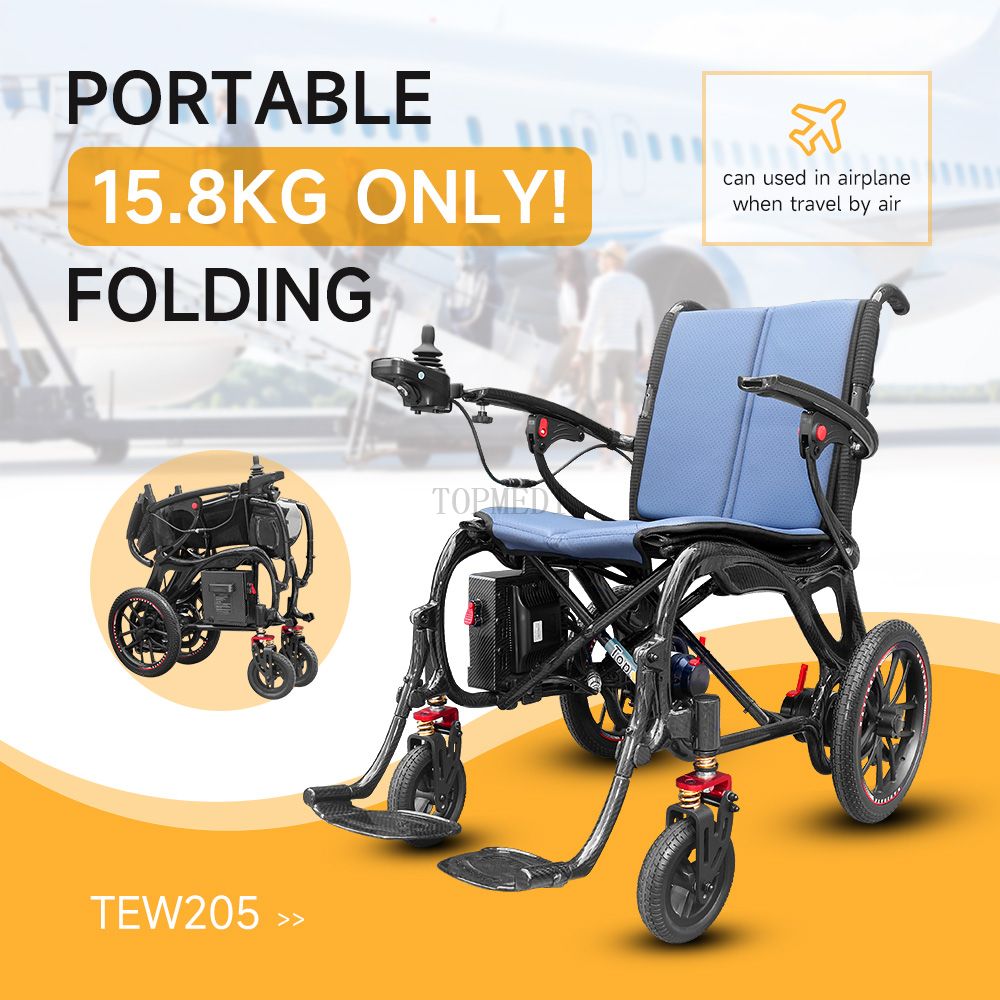
An electric wheelchair (or power wheelchair) is battery-powered and operated using a joystick, control panel, or specialized input devices (e.g., head or chin controls for users with limited upper body mobility). It features motorized wheels, a rechargeable battery, and advanced features like adjustable seating, terrain adaptation, and even smart connectivity in modern models. Electric wheelchairs are designed for users who may lack the strength or stamina to self-propel a manual chair.
Key Differences: Manual vs. Electric Wheelchairs
Feature
Manual Wheelchair
Electric Wheelchair
Power Source
User or caregiver effort
Rechargeable battery + motor
Propulsion
Hand rims (user) or push handles (caregiver)
Joystick/control panel (user)
Weight
Lightweight (10–20 kg on average)
Heavy (40–100+ kg, including battery)
Portability
Highly portable; foldable for transport
Less portable; bulkier, may require vehicle lifts
Terrain Adaptability
Best for flat, smooth surfaces; struggles with inclines/rough terrain
Handles inclines, gravel, grass, and uneven terrain with ease
Customization
Limited to frame size, seat cushions, and accessories
Extensive: adjustable seating, tilt/recline, specialty controls, and more
Maintenance
Low (tire checks, frame cleaning)
Higher (battery care, motor servicing, software updates)
Cost
Affordable ($200–$2,000)
Expensive ($1,500–$15,000+)
Pros and Cons of Manual Wheelchairs
Pros
Affordability: Manual wheelchairs are significantly cheaper, making them accessible to a wider range of users.
Portability: Their lightweight, foldable design allows easy transport in cars, buses, or planes—ideal for travel.
Physical Health Benefits: Self-propelling engages upper body muscles, improving strength, cardiovascular health, and coordination.
Low Maintenance: With no motors or batteries, repairs are simple and inexpensive (e.g., replacing tires or fixing a frame).
Durability: Fewer moving parts mean less risk of mechanical failure, even with daily use.
Cons
Physical Exertion: Users with limited upper body strength, stamina, or conditions like arthritis may struggle to self-propel, especially on inclines or long distances.
Limited Terrain Capability: Rough surfaces, steep hills, or uneven sidewalks can be challenging or unsafe.
Dependency on Caregivers: For those unable to self-propel, reliance on others for movement can reduce independence.
Basic Features: Manual wheelchairs lack advanced seating options (e.g., power tilt/recline) that may be necessary for users with posture or pressure ulcer risks.
Pros and Cons of Electric Wheelchairs
Pros
Independence: Electric wheelchairs empower users to move freely without physical effort, ideal for those with severe mobility limitations.
Terrain Versatility: Motors and sturdy frames handle inclines, gravel, grass, and even curbs (with some models), expanding outdoor accessibility.
Advanced Customization: Features like power seating (tilt, recline, elevate), adjustable armrests, and specialty controls cater to complex medical needs (e.g., spinal cord injuries, ALS).
Reduced Physical Strain: No upper body exertion is required, preventing fatigue or injury for users with weak muscles.
Smart Technology: Modern models include Bluetooth connectivity, GPS tracking, and app-controlled settings for enhanced convenience.
Cons
High Cost: Electric wheelchairs are a significant investment, with prices ranging from budget-friendly basic models to high-end custom options. Insurance coverage may vary, leaving users with out-of-pocket expenses.
Maintenance Demands: Batteries require regular charging (typically 8–12 hours) and replacement every 1–3 years. Motors and electronics may need professional servicing.
Bulk and Weight: Their heavy, non-foldable design makes transport difficult without a vehicle lift or accessible van.
Battery Life: Limited range (15–30 miles per charge) can restrict long outings, and charging infrastructure may be lacking in public spaces.
Learning Curve: Mastering joystick controls or adaptive devices takes time, and some users may find initial operation intimidating.
Who Should Choose a Manual Wheelchair?
Manual wheelchairs are ideal for:
Individuals with good upper body strength and stamina (e.g., amputees, paraplegics with strong core muscles).
Users who prioritize portability for travel or frequent outings.
Those on a tight budget or with minimal insurance coverage.
Caregivers who need a lightweight chair to assist loved ones occasionally.
Who Should Choose an Electric Wheelchair?
Electric wheelchairs are better suited for:
Users with limited upper body strength, endurance, or coordination (e.g., quadriplegics, individuals with muscular dystrophy, or severe arthritis).
People who navigate varied terrain (e.g., rural areas, parks) or require long-distance mobility.
Those with medical needs requiring power seating (e.g., pressure relief, postural support).
Users seeking maximum independence without caregiver assistance.
Conclusion: Mobility Tailored to You
Both manual and electric wheelchairs offer life-changing mobility, but the “right” choice depends on your unique needs, lifestyle, and budget. Manual wheelchairs excel in simplicity, affordability, and physical engagement, while electric wheelchairs prioritize independence, terrain adaptability, and advanced features.
When deciding, consider factors like your physical abilities, daily environment (e.g., home layout, community accessibility), and long-term goals. Consulting with a healthcare provider, occupational therapist, or mobility specialist can also provide personalized insights to ensure you select a wheelchair that enhances your quality of life.
Mobility is not one-size-fits-all—but with the right wheelchair, it can be limitless.