When it comes to maintaining mobility and independence, few tools are as essential as a well-chosen walker. Whether you’re recovering from surgery, managing a chronic condition, or simply need extra support to navigate daily life, selecting the right walker can make all the difference in your safety and confidence. This comprehensive guide will walk you through everything you need to know about walkers, helping you make an informed decision that suits your unique needs.
Understanding the Different Types of Walkers
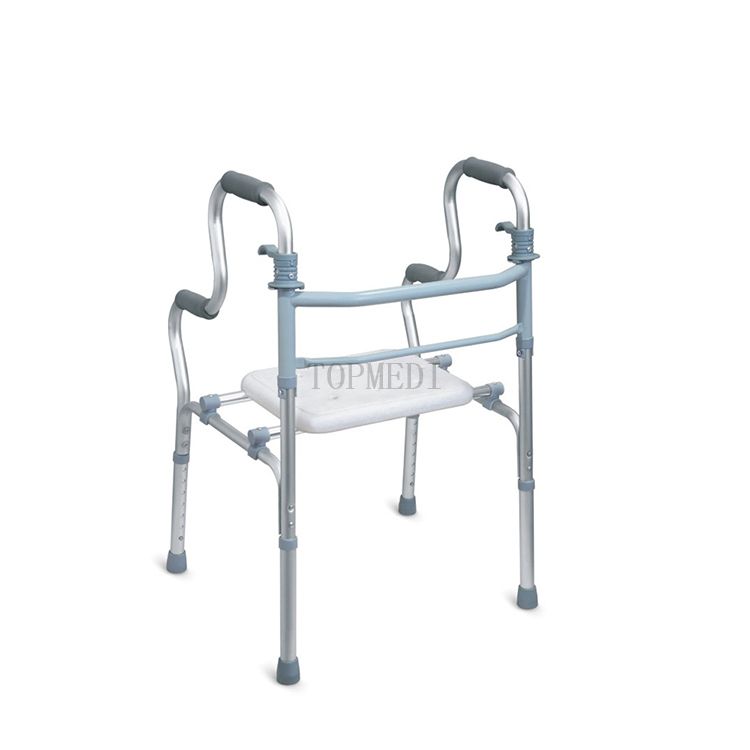
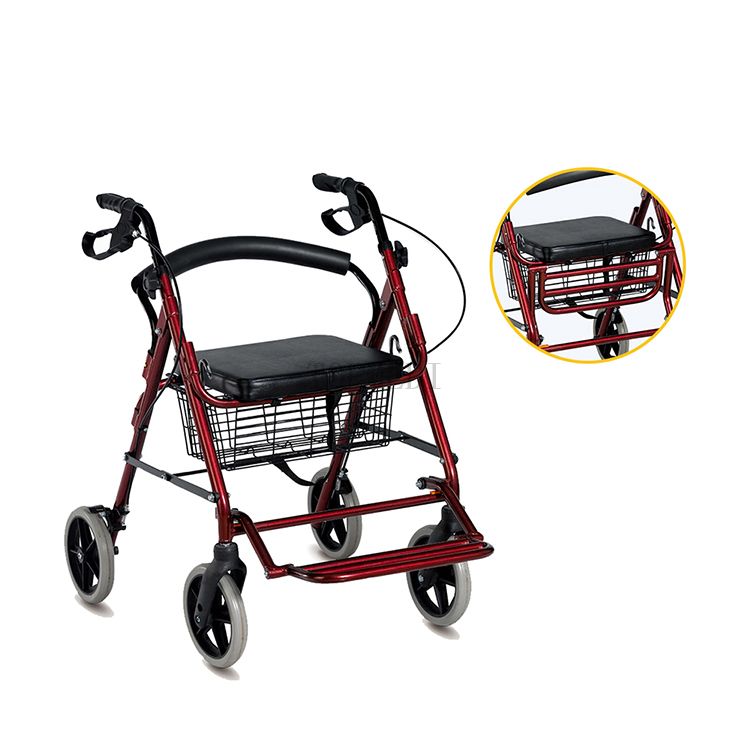
Walkers come in various designs, each tailored to specific mobility requirements. The most common type is the standard walker, featuring a lightweight frame with four rubber-tipped legs that provide maximum stability. These are ideal for individuals who need significant support and can bear weight on both legs. For those who require a bit more freedom of movement, wheeled walkers offer an excellent compromise. Two-wheel walkers feature front casters that allow for smoother movement while still providing rear stability, while four-wheel rollators come with built-in seats and hand brakes, perfect for those who need to rest frequently.
Key Features to Consider
When selecting a walker, several crucial features deserve your attention. Height adjustability is paramount – the walker should align with your wrist crease when your arms hang naturally at your sides. The weight capacity of the walker must accommodate your body weight, with most standard models supporting up to 300 pounds, while bariatric versions can handle 500 pounds or more. Consider the walker’s weight too, as you’ll need to lift it occasionally, especially when navigating stairs or curbs.
The Benefits of Using a Walker Properly
Using a walker correctly offers numerous advantages beyond mere physical support. It significantly reduces the risk of falls, which is particularly crucial for older adults or those with balance issues. Walkers help distribute weight evenly, reducing pressure on joints and minimizing pain during movement. The psychological benefits are equally important – knowing you have reliable support can boost confidence and encourage more physical activity, contributing to better overall health.
Choosing the Right Accessories
Modern walkers can be customized with various accessories to enhance functionality. Walker baskets or pouches provide convenient storage for personal items, eliminating the need to carry bags. Walker trays offer a stable surface for transporting meals or drinks. For added safety, especially during evening hours, consider walker lights or reflective strips. If you’ll be using your walker on varied terrain, look for models with all-terrain wheels or glide caps that move smoothly over different surfaces.
Proper Walker Technique
Using a walker correctly is just as important as choosing the right one. The basic technique involves moving the walker forward first, then stepping into it with your weaker leg, followed by your stronger leg. Keep the walker close to your body to maintain stability, and avoid leaning too far forward. When turning, move the walker in the direction you want to go, then step through it. For stairs, it’s best to have someone assist you, but if you must navigate them alone, remember: “Up with the good, down with the bad” – lead with your stronger leg when going up, and with your weaker leg when coming down.
Maintenance and Safety Tips
Regular maintenance ensures your walker remains safe and functional. Check rubber tips frequently for wear and replace them when they show signs of deterioration. Tighten any loose screws or bolts, and ensure all moving parts operate smoothly. Clean your walker regularly with mild soap and water, especially if used outdoors. Always keep the walker’s wheels free from debris that might affect their performance.
When to Consider Alternatives
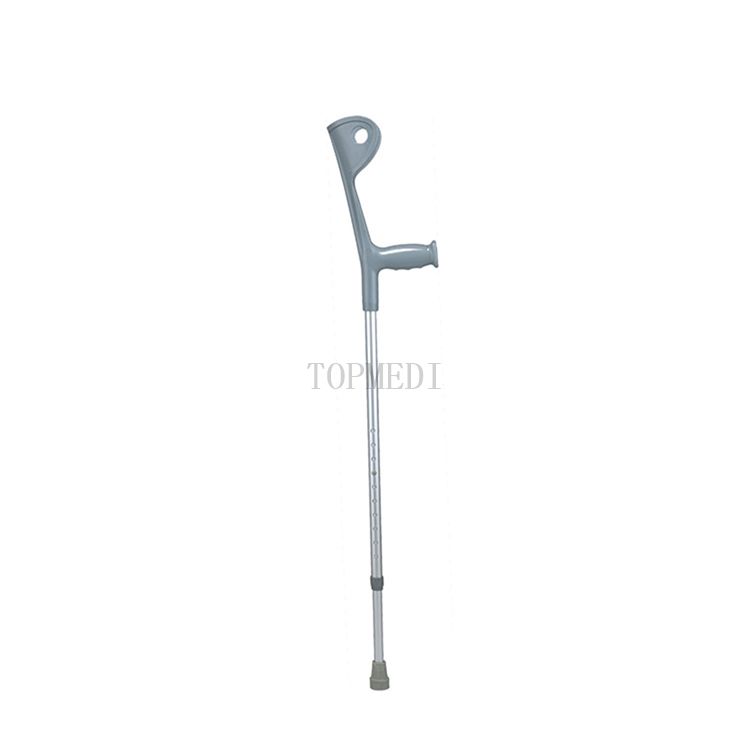
While walkers are excellent for many situations, they’re not always the best solution. If you only need minimal support, a cane might be more appropriate. For those who require seating frequently, a rollator with a built-in seat might be better than a standard walker. Consult with a healthcare professional or physical therapist to determine the most suitable mobility aid for your specific condition and lifestyle.
Conclusion
Choosing the right walker is a crucial step toward maintaining independence and mobility. By understanding the different types available, considering key features, and learning proper usage techniques, you can select a walker that provides the support you need while enhancing your quality of life. Remember that the best walker is one that you’ll use consistently and correctly, so take the time to find the perfect match for your needs. With the right walker and proper technique, you can navigate your world with confidence and safety.