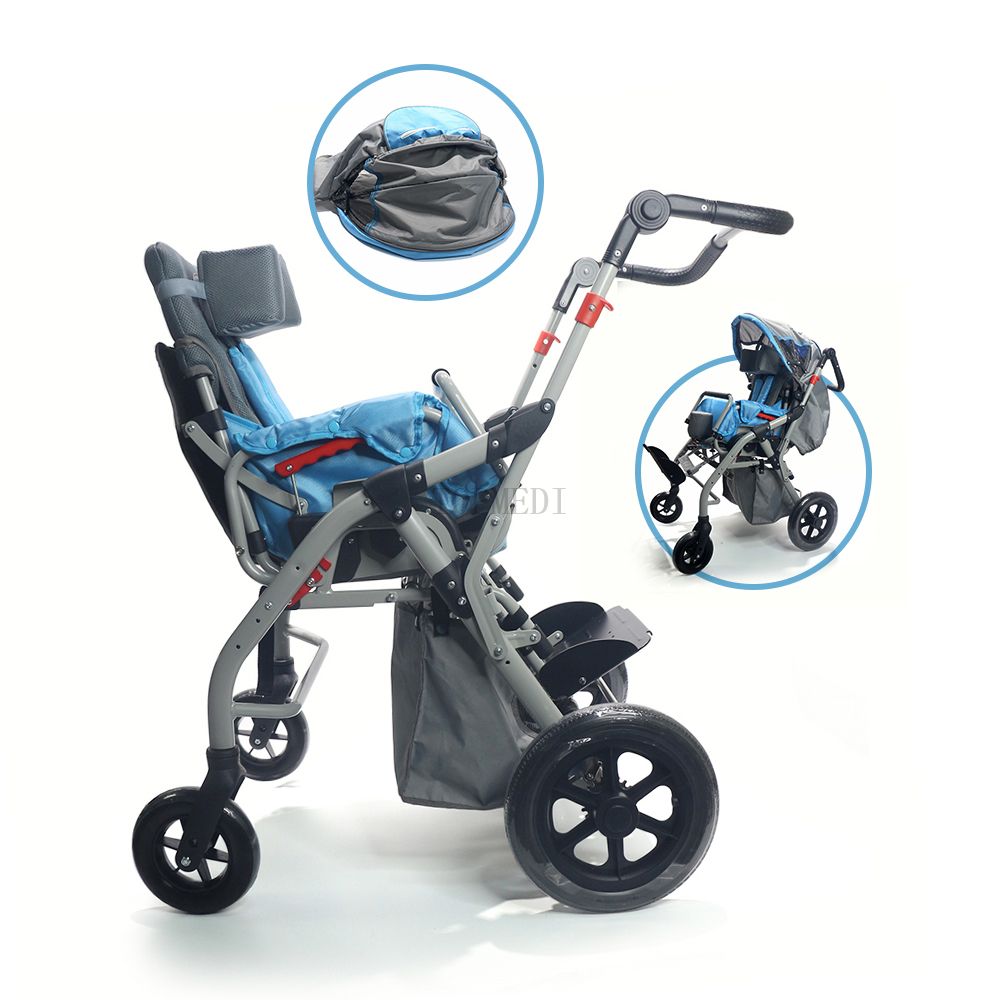
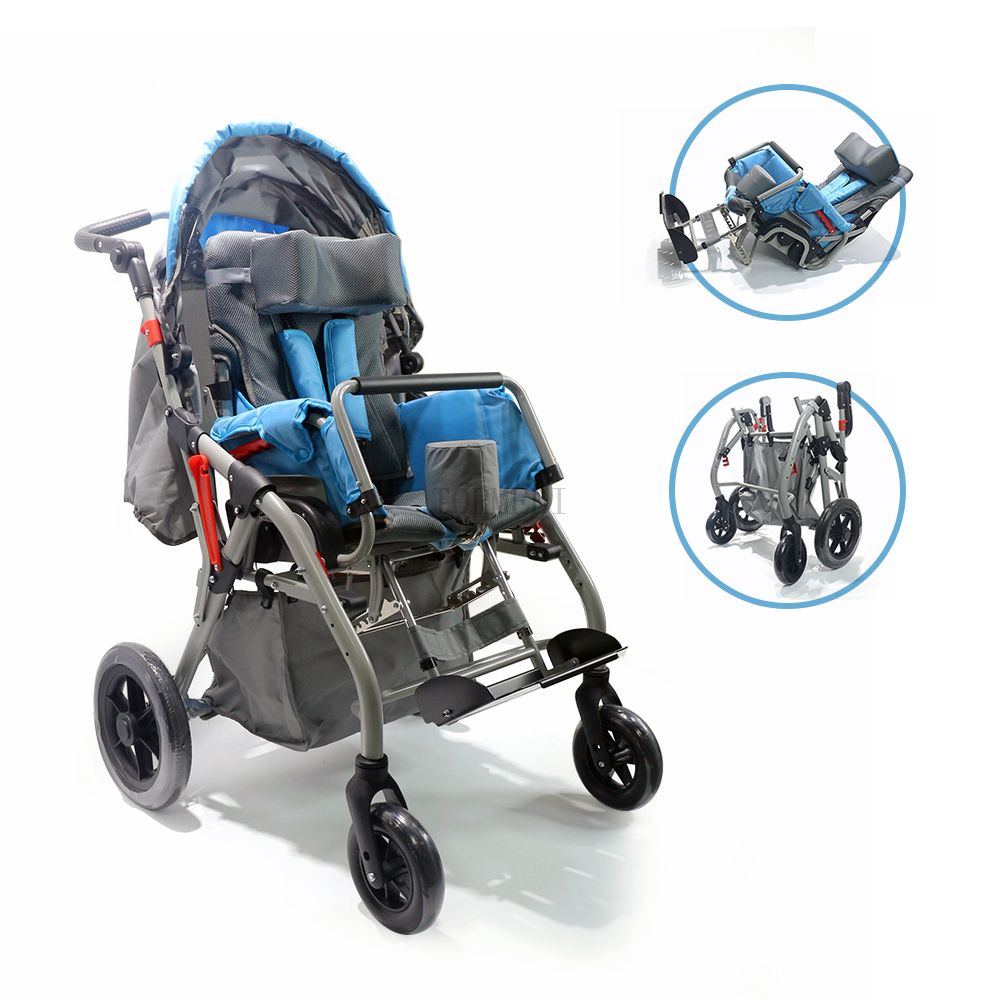
For a child with cerebral palsy (CP), a wheelchair is far more than a simple tool for getting from one place to another. It is a sophisticated piece of adaptive equipment, a cornerstone of their development, and a key that unlocks a world of participation, independence, and possibility. Cerebral palsy is a complex group of disorders affecting movement, muscle tone, and posture, and its impact on each child is unique. Therefore, a wheelchair designed for a child with CP is not a one-size-fits-all solution but a highly specialized system of functions tailored to their specific physical, social, and developmental needs. Understanding these functions reveals the profound role this equipment plays in a child’s life.
1. Foundational Support: Postural Stability and Seating
The most critical function of a CP wheelchair is providing optimal postural support. Many children with CP experience challenges with muscle tone—they may have hypotonia (low tone, leading to a “floppy” appearance) or hypertonia (high tone, causing stiffness and spasticity). Without proper support, a child may be unable to sit upright, leading to a slumped or asymmetrical posture. This not only looks uncomfortable but can have serious long-term consequences, including spinal curvature (scoliosis), hip dislocation, and respiratory difficulties.
A specialized wheelchair addresses this through its seating system. This includes:
Contoured Seat and Backrest: Shaped to match the child’s body, providing a stable base and promoting a symmetrical, upright posture.
Lateral and Thoracic Supports: Padded “wings” on the sides of the seat and back that prevent the trunk from slumping to one side.
Hip Guides and Pommels: Components that position the hips correctly and prevent the legs from scissoring (crossing over), a common issue with spasticity.
Headrest: For children with poor head control, a supportive headrest is essential for safety, comfort, and enabling them to interact with their environment face-forward.
By creating a stable and aligned seating system, the wheelchair allows the child’s energy to be redirected from the constant effort of fighting gravity to more meaningful activities like learning, playing, and communicating.
2. Enabling Mobility and Independence
At its core, a wheelchair provides mobility. For a child who cannot walk or walk efficiently, the wheelchair is their legs. This mobility is crucial for cognitive and social development. The ability to independently explore their environment—to move from the toy area to the bookshelf, or to follow a parent into the kitchen—fosters a sense of curiosity, spatial awareness, and autonomy.
The method of propulsion is a key functional consideration:
Self-Propulsion: For children with sufficient upper body strength and coordination, a lightweight manual wheelchair with push-rims allows for independent movement. This promotes physical fitness and a profound sense of control over one’s own life.
Caregiver-Propulsion (Transit): For younger children or those with more significant physical challenges, a transit wheelchair, with handles for a caregiver to push, is the primary mode of transport.
Power Mobility: For many children with CP, a power wheelchair is a life-changing option. Controlled by a joystick, head array, or other specialized input devices, it provides independent mobility for those who cannot self-propel a manual chair. Access to a power wheelchair at a young age has been shown to dramatically improve a child’s self-esteem, social participation, and even communication skills, as they can approach peers and initiate interactions on their own terms.
3. Facilitating Function and Participation
A well-designed wheelchair is a platform for function. It positions the child perfectly for daily activities, from eating and learning to playing and socializing. This is achieved through functional accessories and adjustability.
Tilt-in-Space and Recline: These features allow the entire seating system to be tilted backward (tilt-in-space) or the backrest to be reclined separately. This is vital for pressure relief to prevent sores, for resting when the child is fatigued, and for feeding and respiratory management. Tilt-in-space maintains the child’s posture while changing their orientation, which is often more beneficial than simple recline.
Adjustable Height: “Seat-to-floor height” is a critical measurement. A low height allows the child to get on and off the floor independently to play with peers. An adjustable-height or “standing” wheelchair can be raised to allow a child to interact at eye level with peers and adults, reducing the physical and social barriers of always being looked down upon.
Mounting Systems: Modern wheelchairs are designed to be integrated with a child’s other assistive technology. Custom mounting systems allow for the secure placement of communication devices, tablets, trays for schoolwork or meals, and oxygen tanks or ventilators, ensuring these essential tools are always accessible and functional.
4. Ensuring Safety and Comfort
Beyond the primary functions, a wheelchair must be a safe and comfortable sanctuary. For a child who may spend many hours a day in their chair, comfort is not a luxury; it is a necessity. This includes breathable, pressure-relieving cushions, soft yet supportive padding, and a frame that is smooth and free of pinch points.
Safety features are paramount. This includes a highly effective and easy-to-use braking system, a stable frame that resists tipping (especially when the child is reaching or leaning), and secure lap belts, chest harnesses, or more complex harness systems to ensure the child remains safely and securely positioned, particularly in transit or for those with significant involuntary movements.
In conclusion, the wheelchair for a child with cerebral palsy is a marvel of ergonomic and therapeutic design. It is a dynamic system that provides foundational postural support, enables life-changing mobility, facilitates active participation in the world, and ensures the child’s safety and comfort. It is an investment not just in equipment, but in a child’s potential, their dignity, and their fundamental right to explore, learn, and engage fully in the world around them.